


When selecting a cylinder, there are several key factors to consider to ensure it meets the application's requirements effectively. Here are some tips for choosing the right cylinder:
1. Determine Load Requirements
Load Weight: First, identify the weight of the load the cylinder needs to push or pull. This determines the required cylinder force. Typically, the selected cylinder force should be 20%-30% greater than the actual load to ensure reliability.
Load Movement Characteristics: Consider whether the load moves horizontally or vertically. Vertical loads require additional consideration of the effects of gravity.
2. Stroke Length
Stroke Range: Determine the cylinder's stroke length based on the application's requirements. A stroke that is too short may not meet the application's needs, while an overly long stroke could increase costs and space requirements.
Cushioning Needs: For longer strokes, consider the need for cushioning to reduce impact at the cylinder's end positions.
3. Operating Environment
Temperature: Consider the temperature range of the cylinder's operating environment. High or low temperatures may necessitate special materials or cylinder configurations.
Environmental Conditions: If the cylinder will be exposed to moisture, dust, or corrosive environments, choose a cylinder with appropriate protection ratings (such as IP67) or one made from stainless steel.
4. Cylinder Type
Single-Acting vs. Double-Acting: Single-acting cylinders are typically used for simple push or pull actions, while double-acting cylinders can perform more complex reciprocating movements.
Standard vs. Custom: Standard cylinders are suitable for most common applications, but custom cylinders may be needed for specialized requirements.
5. Speed and Control
Cylinder Speed: Different applications require different cylinder speeds. Generally, the speed of the cylinder can be adjusted by regulating the air supply pressure or using a flow control valve.
Motion Control: If precise control of the cylinder's position or speed is needed, consider selecting a cylinder with position sensors or an electrically controlled proportional cylinder.
6. Mounting Options
Installation Space: The cylinder's mounting method should be determined based on the space available in the equipment. Common mounting options include front flange, rear flange, clevis, and base mounts.
Mounting Direction: Consider the direction of cylinder movement and the installation location to ensure smooth and stable operation.
7. Durability and Maintenance
Service Life: The cylinder's service life is closely related to its materials, seals, and lubrication methods. When selecting a cylinder, pay attention to its expected lifespan to reduce maintenance costs.
Ease of Maintenance: Choose cylinders that are easy to maintain and have easily replaceable parts, which can reduce downtime and increase production efficiency.
By considering these factors comprehensively, you can choose a cylinder that is well-suited to your specific application, ensuring system stability and efficiency.
Related Products
Related News
-
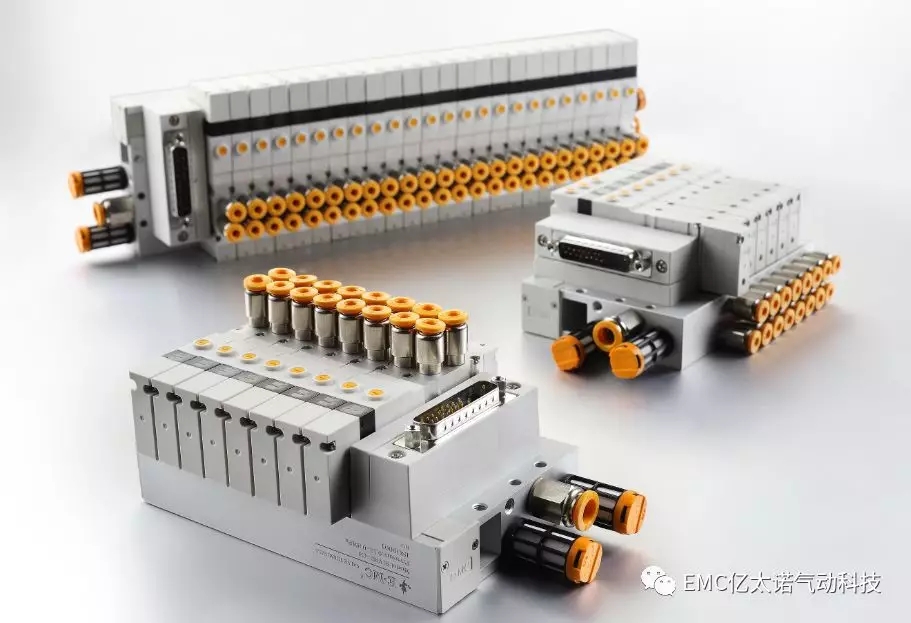 Festo solenoid valves offer numerous advantages, particularly in automation and control systems. These valves are known for their reliability and precision in regulating airflow, which is crucial for maintaining consistent performance in pneumatic systems. Their compact design allows for easy in
 -
 Shenzhen WarriorZ Technology Co., Ltd. is a professional supplier and exporter of tablet loading equipment and various labeling machinery.We have an experienced technical service and sales team, and our professional engineers have over 10 years of industry and service experience in the field of pack
